discover the world
Frequently Asked Questions
Common questions about our expeditions, preparation, booking process, and what to expect.
High-Altitude Expeditions
Peru (Cordillera Blanca)
Do I need previous mountaineering experience?
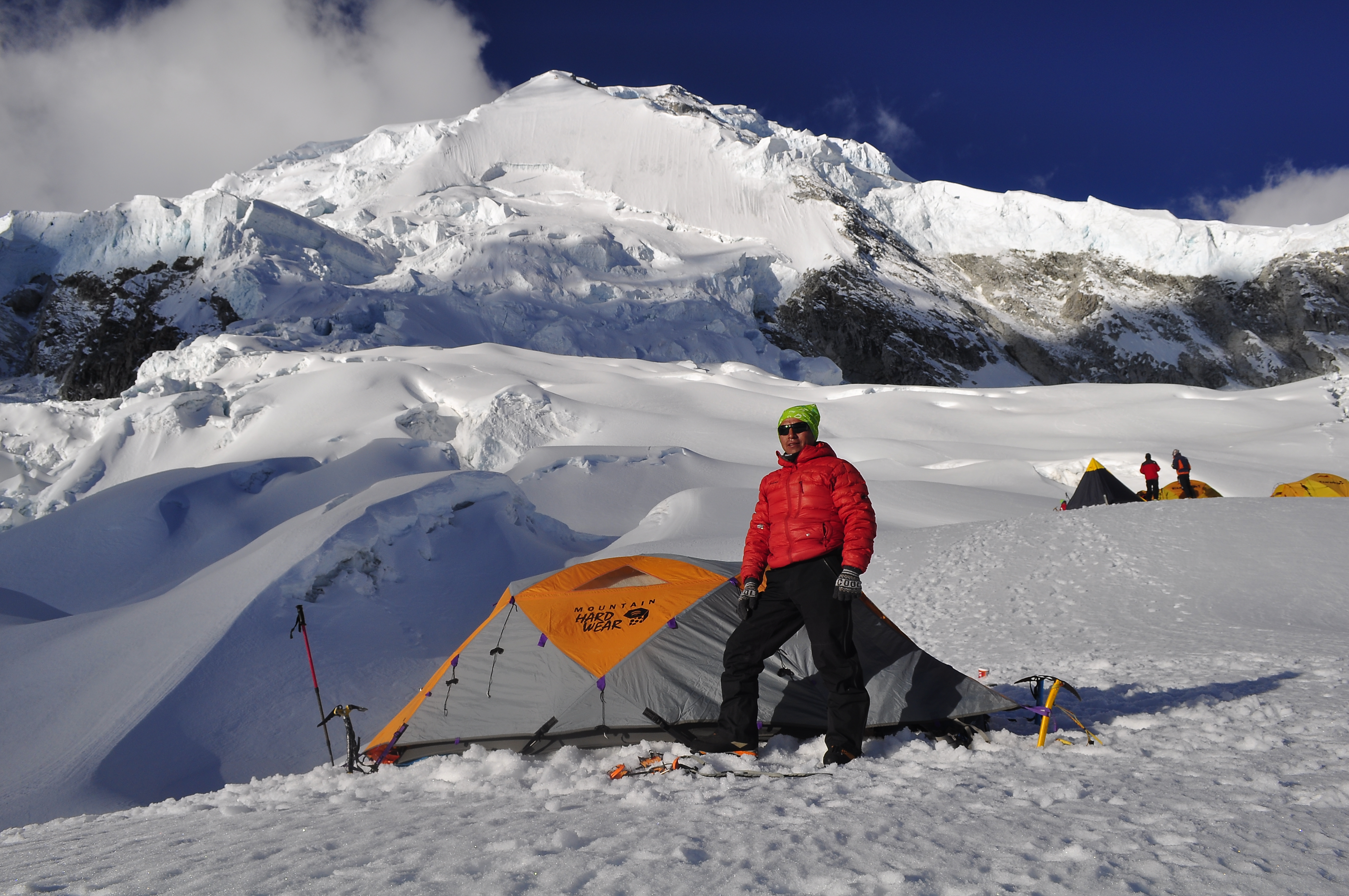
No. Many people come to the Cordillera Blanca for their first high-altitude mountaineering experience. The range offers a number of beautiful 5,000-meter peaks that are ideal for climbers who are new to glacier travel and alpine climbing.
With the right preparation and experienced guidance, these mountains provide an excellent introduction to high-altitude climbing.
For those who already have mountaineering experience, the Cordillera Blanca also offers more technical objectives and higher peaks.
We discuss your background, fitness, and goals before recommending the most appropriate mountain and itinerary. As part of the preparation process, we also provide a personal training program with regular check-ins to help ensure you arrive in strong physical condition — ready to move safely and confidently in the mountains.
Do I need to climb a 4,000-meter peak before attempting a 5,000-meter mountain?
No. This is a common belief, but it is not necessary.
Many climbers assume they must progress gradually through specific altitude milestones, but in reality what matters most is proper acclimatization, preparation, and the right objective for your level of experience.
The Cordillera Blanca is one of the best places in the world for a first high-altitude climb because the range offers excellent 5,000-meter peaks with relatively accessible routes. With a well-designed acclimatization schedule and experienced guidance, these mountains provide a safe and rewarding introduction to high-altitude mountaineering.
In fact, many climbers complete their first major high-altitude summit here in the Andes, sometimes even beginning with peaks around 5,000–6,000 meters.
What matters most is choosing the right mountain and allowing enough time for proper acclimatization before the summit attempt.
How does acclimatization work?
Proper acclimatization is one of the most important parts of any high-altitude expedition. Our programs are designed with gradual altitude gain and include acclimatization hikes and smaller peaks before attempting larger objectives.
Just as important is the attention we give to each climber's pace and rhythm. Rather than following a rigid day-by-day schedule, we build time into the expedition for proper acclimatization so each person can adapt comfortably to the altitude.
The Cordillera Blanca offers exceptional terrain for this process, allowing climbers to gradually gain altitude while moving through spectacular mountain environments.
We often use acclimatization days to practice rope techniques and essential mountaineering skills so that climbers arrive on the summit attempt both well adapted to the altitude and confident in the techniques required for the climb.
How fit do I need to be?
Many climbers join us with little or no previous mountaineering experience. With the right preparation and guidance, it is entirely possible to arrive at the mountain feeling confident, capable, and ready for the challenge.
High-altitude climbing does require good physical fitness. Long days on the mountain, steep terrain, and altitude demand solid endurance and the ability to move steadily for many hours.
However, general fitness does not always translate directly to the mountains. There is a big difference between activities like trail running or gym training and hiking uphill for long periods at altitude while carrying a pack.
For this reason we support our climbers well before the expedition begins. As part of our preparation process we provide a personal training program with regular check-ins, helping you prepare specifically for the physical demands of high-altitude mountaineering.
Many climbers find that the preparation itself becomes an important part of the experience. The process of training, focusing on a goal, and gradually preparing for the mountains often has a lasting impact long before the summit is reached.
How do I choose the right mountain?
The Cordillera Blanca offers a wide range of peaks suitable for different levels of experience, from beautiful non-technical summits such as Vallunaraju to more technical alpine climbs.
Some climbers arrive with a specific mountain already in mind, while others prefer to explore the options once we begin planning the expedition. After booking, we discuss your background, goals, fitness, and previous climbing experience in detail to determine the mountain that best suits your ambitions and available time.
In some cases we prepare specifically for a particular objective. In others we may adapt the itinerary during the acclimatization process as we learn more about how each climber moves in the mountains.
Experience, ability to learn, acclimatization, and personal goals all play a role in choosing the right objective. With many years of guiding in the Cordillera Blanca, we are able to recommend mountains that provide the best possible experience for each climber.
Are expeditions privately guided?
Yes. Expeditions are privately guided or run with small teams. This allows us to adapt the pace, itinerary, and objectives to the experience and goals of each climber.
Private teams also provide greater flexibility with weather windows and acclimatization schedules, allowing us to move in the mountains at the rhythm that best suits the team.
Expeditions are primarily led directly by Angel or Nathan, or by one of our close-knit team of IFMGA mountain guides who have extensive experience guiding in the Cordillera Blanca.
What equipment do I need?
A detailed equipment list is provided after booking to help you prepare for the expedition.
Climbers should expect to bring appropriate personal clothing and essential mountaineering equipment suited for high-altitude conditions. Technical group equipment such as ropes and safety gear is provided by the guiding team.
Many climbers prefer to bring certain personal items such as their own boots or sleeping bag, but we can supply or help arrange any missing equipment if needed. Equipment can also be rented locally in Huaraz.
Before the expedition we review your gear together to ensure everything you bring is suitable for the mountain and the conditions. If anything is missing or unsuitable, we help arrange the necessary equipment.
When is the best time to climb in the Cordillera Blanca?
The main climbing season in the Cordillera Blanca runs from May through September, when the dry season generally brings more stable weather and clearer skies.
During this period the glaciers are typically in good condition and the mountains offer excellent opportunities for high-altitude mountaineering.
July and August are often the best months for more technical alpine climbing objectives, as the snowpack tends to compact and consolidate, creating more stable and enjoyable climbing conditions on steeper terrain.
That said, every mountain and objective has slightly different seasonal considerations. When planning your expedition we help determine the best time for the specific mountain you want to climb, taking into account conditions, weather patterns, and your overall itinerary in Peru.
What happens if the weather is bad?
Weather is always an important factor in the mountains, and flexibility is a key part of any successful expedition.
One of the advantages of climbing in the Cordillera Blanca is the variety of mountains and terrain available, which often allows us to adapt plans if conditions change.
If weather delays a summit attempt, we may adjust the schedule, use the time for additional acclimatization or training, or shift objectives when appropriate.
Because our expeditions are intentionally personal and carefully led, we are able to make decisions based on conditions, safety, and the best possible experience for the team, rather than following a rigid schedule. Your safety and the quality of your experience are always our top priority.
Still Have Questions?
Get in touch directly — we're happy to help with any questions about our programs.